Dow Jones Industrial Average Breaks Expectations in a Stunning Turn
- Safdar meyka
- Mar 24
- 4 min read

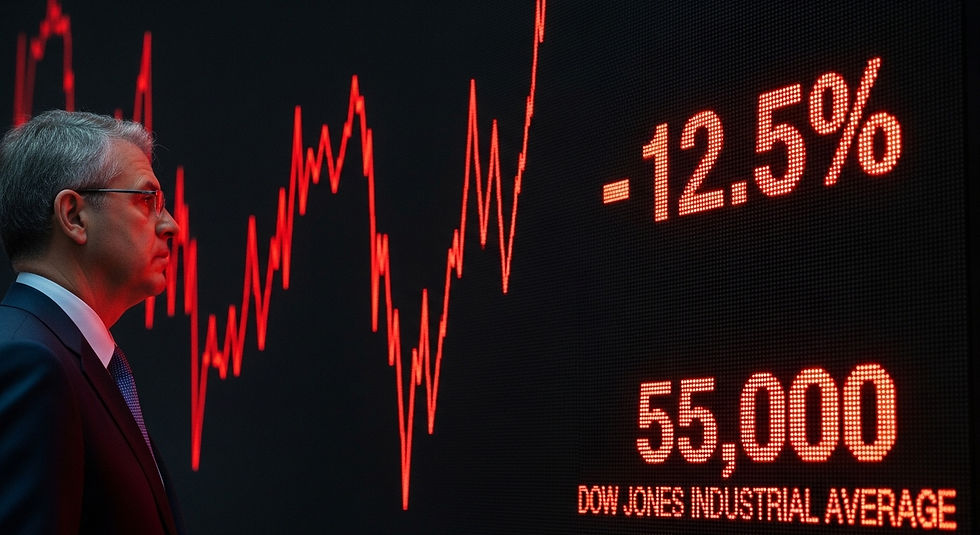
Wall Street just saw something few saw coming. The market’s longtime yardstick shot higher than anyone guessed, leaving traders scrambling to catch up.
The Day the Market Defied All Predictions
Traders started the morning with the usual coffee and charts. Then the numbers rolled in. The index climbed fast, far past what experts had called possible. Some had predicted a quiet day after mixed news on jobs and prices. Instead, the gain topped four hundred points before lunch. Smiles broke out on trading floors. Phones buzzed with fresh orders.
Even cautious investors who usually sit on the sidelines jumped in. The move felt electric because it came after weeks of worry. Inflation had cooled, yet growth looked shaky. Many feared a slowdown. This leap flipped the script and reminded everyone that markets love to surprise. It was no just a number on a screen. It signaled fresh confidence in big companies and their plans ahead.
Getting to Know This Famous Market Gauge
People often hear about the Dow Jones Industrial Average on the evening news. They nod along but wonder what it really tracks. At its heart, the index follows thirty large American firms. These are household names like tech giants, banks, airlines, and makers of everyday goods. When their share prices rise together, the gauge moves up. When they fall, it drops.
The index acts like a quick snapshot of how business is going in the country. It does not cover every company, but it gives a solid sense of the bigger picture. Investors watch it because it moves in step with the mood on Wall Street.
A steady climb often means people feel good about the future. A sharp drop can spark nerves. Yet the index stays simple on purpose. It lets regular folks glance at one number and get the story of the day.
A History Lesson Worth Remembering
The story of this index stretches back more than a century. Two journalists named Charles Dow and Edward Jones started it in 1896. They wanted a clear way to show how key industries performed. Back then, railroads and steel ruled the economy. The first version listed just twelve stocks.
Over time, the list grew and changed with the nation. Cars replaced horses. Computers pushed out typewriters. Today the thirty names reflect modern life, from software to health care. Through wars, crashes, and booms, the index kept going. It survived the Great Depression, the tech bubble, and the pandemic shock.
Each era left its mark. Yet the core idea stayed the same: give people one easy number that tells how America’s biggest businesses are doing. That long track record is why so many still trust it. It has seen nearly every twist the economy can throw and keeps standing.
Figuring Out the Math That Drives the Numbers
The way experts add up the index feels old-school yet clever. They do not simply average the stock prices. They use a special formula that weights each company by its share price alone. A high-priced stock pulls more weight than a cheap one. Think of it like a group of friends racing.
The one who starts farther ahead counts extra in the final score. Over the years, the team adjusts the math whenever a company splits its shares or swaps places on the list. That keeps the index steady and fair. It sounds tricky at first, but the result is easy to read.
One quick look shows whether business leaders feel optimistic or cautious. The math also explains why a single big mover can swing the whole gauge. When one giant firm posts strong earnings, the ripple reaches millions of retirement accounts and savings plans in seconds.
How This Shift Touches Everyday Lives
The latest jump in the Dow Jones Industrial Average matters beyond fancy offices in New York. It reaches kitchens, classrooms, and small shops across the country. Many families keep part of their savings in mutual funds or retirement plans tied to the market. When the index rises fast, those accounts often grow too.
A parent saving for college sees the balance tick higher and breathes easier. Workers with company stock plans watch their future brighten. Even people who never buy shares feel the effect. Strong markets can mean companies hire more, raise pay, and invest in new equipment.
That creates jobs in factories, stores, and tech hubs. Local economies pick up speed. On the flip side, sudden drops once made people tighten belts and delay big buys like cars or homes. This surprise gain has the opposite vibe. It spreads quiet hope. People talk about it at dinner tables and neighborhood barbecues. They feel the economy might have more room to run than the headlines suggested last month.
What the move also shows is how connected daily choices are to big trends. A farmer in the Midwest selling crops overseas benefits when global confidence rises. A teacher whose pension fund holds market shares sleeps better knowing the value climbed. Young adults eyeing their first home loan notice interest rates and market signals in the same breath. The index does not control life, yet it reflects the pulse that keeps things moving. This time, the pulse quickened in a way that felt refreshing after months of careful steps.
Looking ahead, experts will study every angle of this turn. They will ask whether it marks the start of steady growth or just a brief spark. No one holds a crystal ball. Still, the surprise gain gave the market fresh air. It reminded investors that patience and solid company results can outweigh gloomy forecasts. For now, the mood on Wall Street leans brighter. People walk a bit taller, check their statements with more interest, and wonder what the next trading day will bring.
The Dow Jones Industrial Average has done its job once again. It caught attention, told a story, and left room for fresh questions. Markets will keep shifting, companies will keep innovating, and the index will keep score.
In the end, its real power lies in how it turns complex business news into something anyone can follow. That single number, updated every trading second, keeps the whole country tuned in to the same heartbeat of American enterprise.


Comments