VanEck Healthcare T Vs Healthcare ETFs Comparison And Key Differences
- Safdar meyka
- Apr 15
- 4 min read

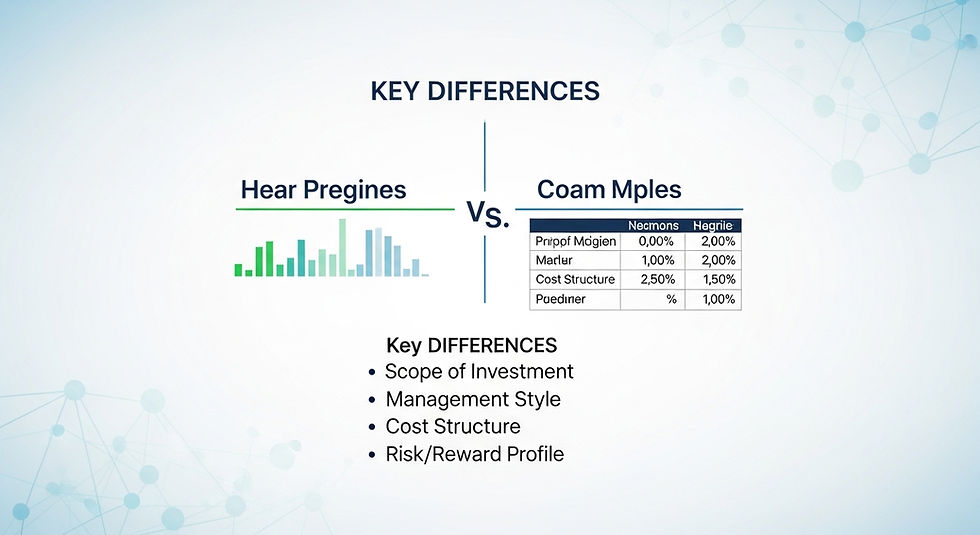
VanEck Healthcare T stands out in 2026 as investors compare healthcare-focused exchange-traded funds for diversification and defensive exposure. As of 2026-04-15, healthcare remains one of the most watched sectors due to aging populations, rising global medical spending, and steady innovation in biotechnology and pharmaceuticals.
VanEck Healthcare T is often used as a reference point when comparing broader healthcare ETFs because it reflects targeted exposure strategies within the healthcare ecosystem.
VanEck Healthcare T is frequently evaluated against diversified healthcare ETFs that track large indexes such as the MSCI or S&P healthcare benchmarks. These comparisons help investors understand risk, sector weightings, and long-term growth potential. On 2026-04-15, market participants continue focusing on cost efficiency, holdings diversification, and volatility control. VanEck Healthcare T plays a key role in this analysis because it highlights concentrated exposure versus broader market coverage.
VanEck Healthcare T is also used by analysts to measure performance differences between thematic healthcare investing and traditional index-based ETFs. This comparison helps clarify whether targeted healthcare strategies can outperform diversified funds over time.
VanEck Healthcare T Overview and Market Position
Core Structure of VanEck Healthcare T
VanEck Healthcare T is structured to track a focused segment of healthcare equities, often emphasizing innovation-driven companies. The fund typically includes exposure to pharmaceuticals, biotechnology, and medical devices. This structure gives investors a more concentrated healthcare allocation compared to broad ETFs. VanEck Healthcare T is designed for those who want targeted sector exposure rather than full-market diversification.
In 2026, healthcare ETFs generally show expense ratios ranging between 0.10% and 0.35%, depending on strategy complexity. VanEck Healthcare T sits within this competitive fee environment, where cost efficiency strongly influences long-term returns. Investors use this structure to balance growth potential and sector-specific risk exposure effectively.
VanEck Healthcare T remains relevant because healthcare demand continues growing globally. This creates a long-term structural support for the sector, even during market volatility. The ETF structure allows investors to stay exposed without picking individual stocks.
Healthcare ETFs Landscape Comparison
Key Differences Between VanEck Healthcare T and Broad Healthcare ETFs
Healthcare ETFs vary widely in diversification, holdings count, and volatility exposure. VanEck Healthcare T is typically more concentrated compared to broad funds like the healthcare ETFs tracking S&P Healthcare Index components. Broad ETFs often hold 50 to 150+ stocks, while focused ETFs may hold significantly fewer positions.
This difference impacts risk levels and performance consistency. Broader ETFs tend to show lower volatility, while VanEck Healthcare T may experience sharper short-term movements due to concentration. However, concentrated exposure can also lead to stronger upside during biotech or pharmaceutical rallies.
VanEck Healthcare T is often compared with diversified healthcare funds because investors want clarity on trade-offs between stability and growth. In 2026, this comparison remains important due to increasing medical innovation cycles and regulatory changes.
Performance Drivers and Sector Influence
What Moves VanEck Healthcare T in 2026
VanEck Healthcare T performance is influenced by several key factors, including drug approvals, healthcare spending policies, and biotech innovation cycles. Clinical trial results and FDA approvals can create sharp price movements within the ETF holdings. These events often drive short-term volatility in healthcare-focused funds.
Macroeconomic conditions also matter, especially interest rates and inflation trends. In 2026, healthcare remains partially defensive, but biotech exposure adds growth sensitivity. VanEck Healthcare T reflects this dual behavior, combining stability from large pharma with volatility from emerging biotech firms.
Investor sentiment toward healthcare innovation continues shaping flows into ETFs. As global healthcare spending exceeds multi-trillion-dollar levels annually, the sector remains structurally strong.
Key Metrics Comparison Table
Metric Category | VanEck Healthcare T | Broad Healthcare ETFs |
Holdings Count | Concentrated (low–mid range) | 50 to 150+ stocks |
Volatility Level | Higher | Moderate |
Sector Focus | Targeted healthcare sub-sectors | Full healthcare spectrum |
Growth Potential | High in cycles | Stable long-term |
Risk Exposure | Elevated concentration risk | Diversified risk |
Expense Range (2026) | ~0.10%–0.35% | ~0.10%–0.30% |
This comparison highlights how VanEck Healthcare T differs structurally from diversified healthcare ETFs. The table shows why investors choose between growth concentration and risk balance.
Risk and Return Profile Analysis
Evaluating Stability vs Growth in VanEck Healthcare T
VanEck Healthcare T carries a distinct risk-return profile shaped by concentrated holdings. Higher exposure to biotech innovation increases upside potential but also raises drawdown risk during market corrections. This makes it suitable for investors with higher risk tolerance.
In contrast, broader healthcare ETFs smooth performance through diversified holdings. This reduces exposure to single-event shocks such as failed drug trials or regulatory delays.
VanEck Healthcare T is therefore more sensitive to sector-specific news flow.
Despite volatility, long-term demand for healthcare services supports overall growth potential. Aging demographics in developed markets further strengthen sector fundamentals.
Strategic Use Cases for Investors
When VanEck Healthcare T Becomes Attractive
VanEck Healthcare T is often used strategically during innovation-heavy market cycles. When biotech pipelines expand or new therapies emerge, concentrated healthcare ETFs tend to outperform. This makes timing and sector awareness important.
Investors also use VanEck Healthcare T for tactical allocation rather than core portfolio positioning. Its role is often complementary to broader ETFs, providing additional growth exposure. This hybrid strategy balances stability and innovation-driven returns.
Healthcare remains a defensive yet evolving sector in 2026. VanEck Healthcare T captures this dynamic by combining traditional pharma stability with biotech disruption.
Final Comparison Insights
VanEck Healthcare T vs Healthcare ETFs in 2026
VanEck Healthcare T represents a focused approach to healthcare investing, while broader ETFs prioritize diversification and stability. The key difference lies in concentration versus balance.
In 2026, investors continue weighing growth opportunities in biotech against the stability of diversified healthcare exposure. VanEck Healthcare T remains attractive for those seeking higher growth potential within a defined risk framework. Broader ETFs remain preferred for long-term passive allocation.
VanEck Healthcare T ultimately serves as a strategic tool for targeted sector exposure, making it a key comparison benchmark in the healthcare ETF universe.


Comments